TIC 88692598 b: Getting to Know a Super-Earth

TIC 88692598 b: Getting to Know a Super-Earth

August 5, 2026

TIC 88692598 b: Getting to Know a Super-Earth

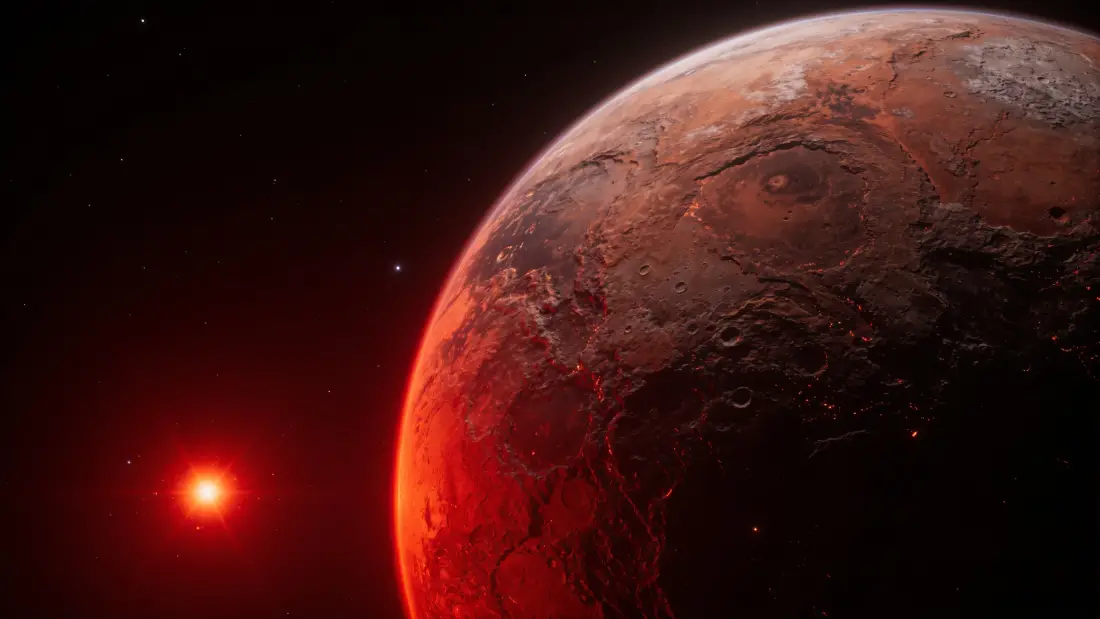
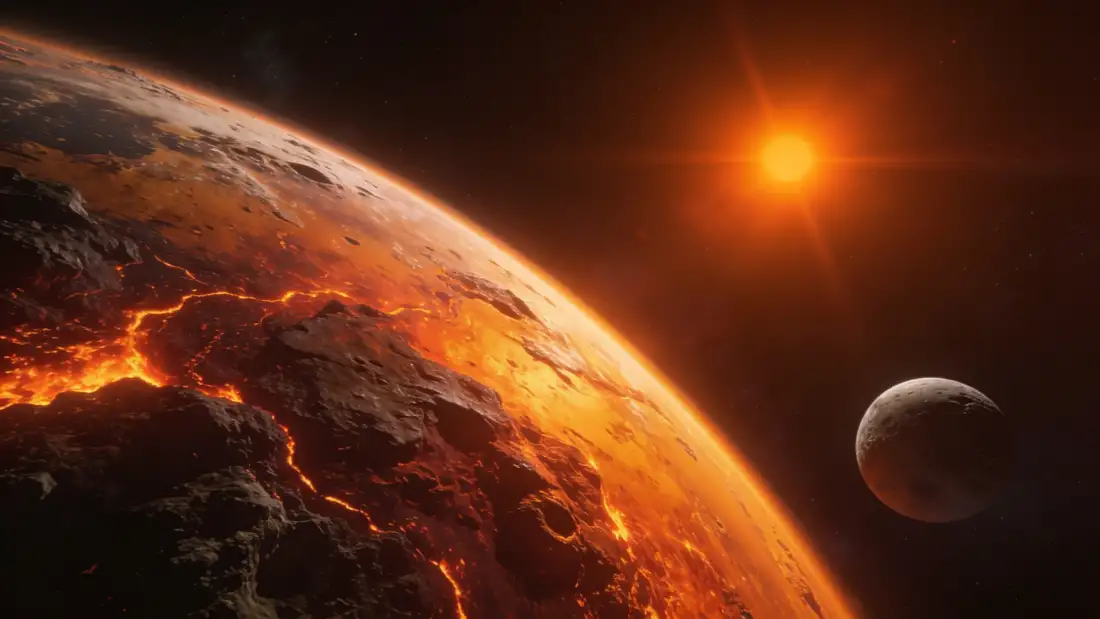
A planet called TIC 88692598 b orbits a cool, dim star 240 light-years away, and its whole year lasts less than three Earth days! Scientists are still piecing together what this super-Earth is made of — and the answer might surprise you.

KEEP READING
Spotting TOI-6281 b: The Transit Method

August 3, 2026

Spotting TOI-6281 b: The Transit Method

A planet 188 light-years away crosses in front of its star once every little more than a day, causing a tiny dip in starlight. Find out how astronomers used that almost invisible flicker — plus a star's tiny wobble — to discover a scorching world called TOI-6281 b.

KEEP READING
Kepler-1593 b: A World Where Water Might Be Possible

August 2, 2026

Kepler-1593 b: A World Where Water Might Be Possible

Kepler-1593 b is a faraway planet that sits in the zone around its star where liquid water might be possible. Scientists don't know yet if it has water or life, but its location makes it one of the more interesting worlds worth watching.

KEEP READING
Meet DMPP-6 b: A Newly Found Mini-Neptune

August 1, 2026

Meet DMPP-6 b: A Newly Found Mini-Neptune

DMPP-6 b is a newly confirmed planet 178 light-years away, and it completes an entire year in just 7.6 days! It belongs to a type of planet called a mini-Neptune — one of the most common kinds in the galaxy, but totally absent from our own solar system.

KEEP READING
TOI-1718 b: A New World Around TOI-1718

July 26, 2026

TOI-1718 b: A New World Around TOI-1718

TOI-1718 b is a scorching hot planet nearly four times wider than Earth, racing around its star in less than six days. It belongs to a type of world that doesn't exist in our solar system — and scientists are just beginning to uncover its secrets.

KEEP READING
HD 191939: A Family of Worlds Around One Star

July 17, 2026

HD 191939: A Family of Worlds Around One Star

175 light-years away, a star called HD 191939 is surrounded by at least six planets — including one called HD 191939 c, a world bigger than Earth but smaller than Neptune. Learn how scientists found this busy planet family and what makes it so special.

KEEP READING
HD 164604 c: A Planet We Cannot See Directly

July 16, 2026

HD 164604 c: A Planet We Cannot See Directly

HD 164604 c is a giant planet nearly ten times bigger than Jupiter — and no telescope has ever taken its picture. Scientists figured out it exists by watching its star wobble in a clever trick using light. Find out how they did it!

KEEP READING
HD 109286 b: A World Where Water Might Be Possible

July 15, 2026

HD 109286 b: A World Where Water Might Be Possible

HD 109286 b is a huge planet 181 light-years away, and it sits in the zone where liquid water might be possible. Scientists found it in 2021, and while it's probably a gas giant, its moons — if it has any — could be worth watching.

KEEP READING
GJ 887 b: A World 10.7 Light-Years From Earth

July 13, 2026

GJ 887 b: A World 10.7 Light-Years From Earth

GJ 887 b is one of the closest exoplanets to Earth, sitting just 10.7 light-years away — but even that short distance means a trip there would take over 100,000 years! Find out what scientists have learned about this mysterious super-Earth and its quiet red dwarf star.

KEEP READING
Meet the HD 34445 System: 6 Worlds Around One Star

July 11, 2026

Meet the HD 34445 System: 6 Worlds Around One Star

One star, six planets, and a whole lot of surprises! The HD 34445 system is 150 light-years away and includes a world much bigger than Earth but smaller than Jupiter. Scientists are still working to unlock all its secrets.

KEEP READING