Is Kepler-1636 b in the Goldilocks Zone?

Is Kepler-1636 b in the Goldilocks Zone?

September 7, 2026

Is Kepler-1636 b in the Goldilocks Zone?

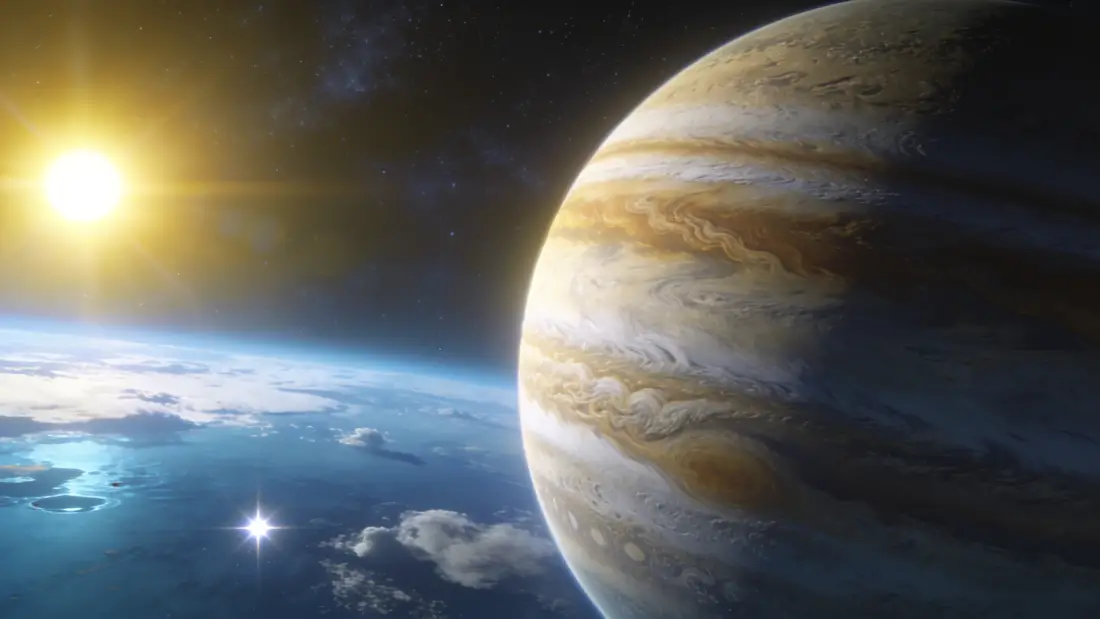
Kepler-1636 b is a faraway planet sitting in the Goldilocks Zone — the region around a star where liquid water might exist. Scientists think it could be a mysterious world bigger than Earth, but there's still so much we don't know about it.

KEEP READING
Is TOI-1736 c in the Goldilocks Zone?

August 26, 2026

Is TOI-1736 c in the Goldilocks Zone?

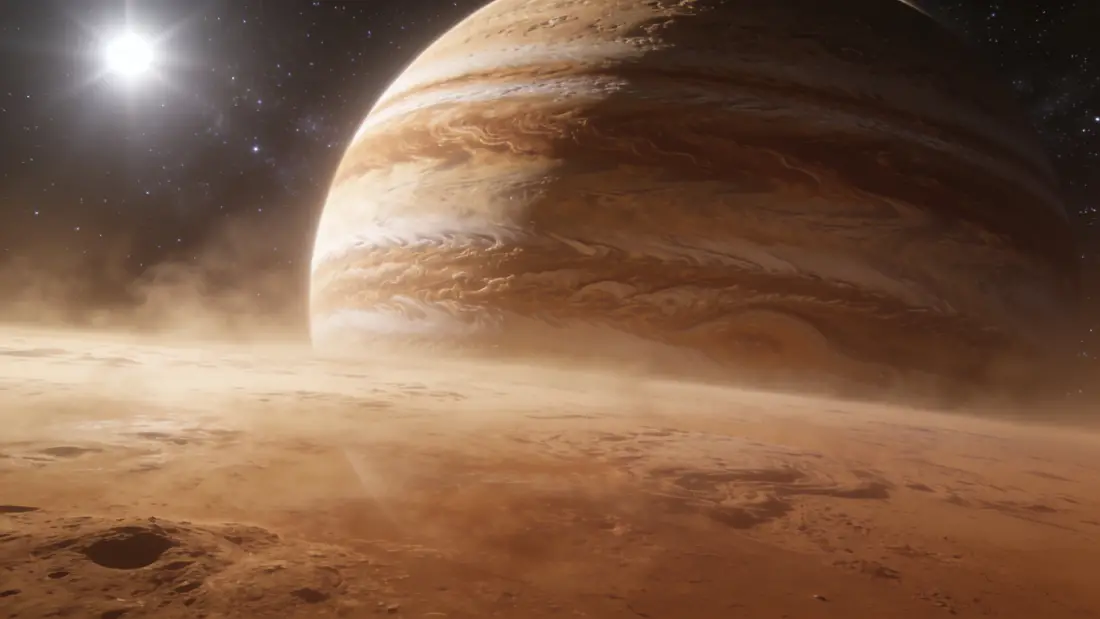
TOI-1736 c is a giant planet about 290 light-years away that orbits a Sun-like star. Scientists are asking whether it could support life, and the answer involves frozen temperatures, mysterious atmospheres, and a planet so huge it probably has no solid ground at all.

KEEP READING
TOI-1718 b: A New World Around TOI-1718

July 26, 2026

TOI-1718 b: A New World Around TOI-1718

TOI-1718 b is a scorching hot planet nearly four times wider than Earth, racing around its star in less than six days. It belongs to a type of world that doesn't exist in our solar system — and scientists are just beginning to uncover its secrets.

KEEP READING
HD 191939: A Family of Worlds Around One Star

July 17, 2026

HD 191939: A Family of Worlds Around One Star

175 light-years away, a star called HD 191939 is surrounded by at least six planets — including one called HD 191939 c, a world bigger than Earth but smaller than Neptune. Learn how scientists found this busy planet family and what makes it so special.

KEEP READING
HD 109286 b: A World Where Water Might Be Possible

July 15, 2026

HD 109286 b: A World Where Water Might Be Possible

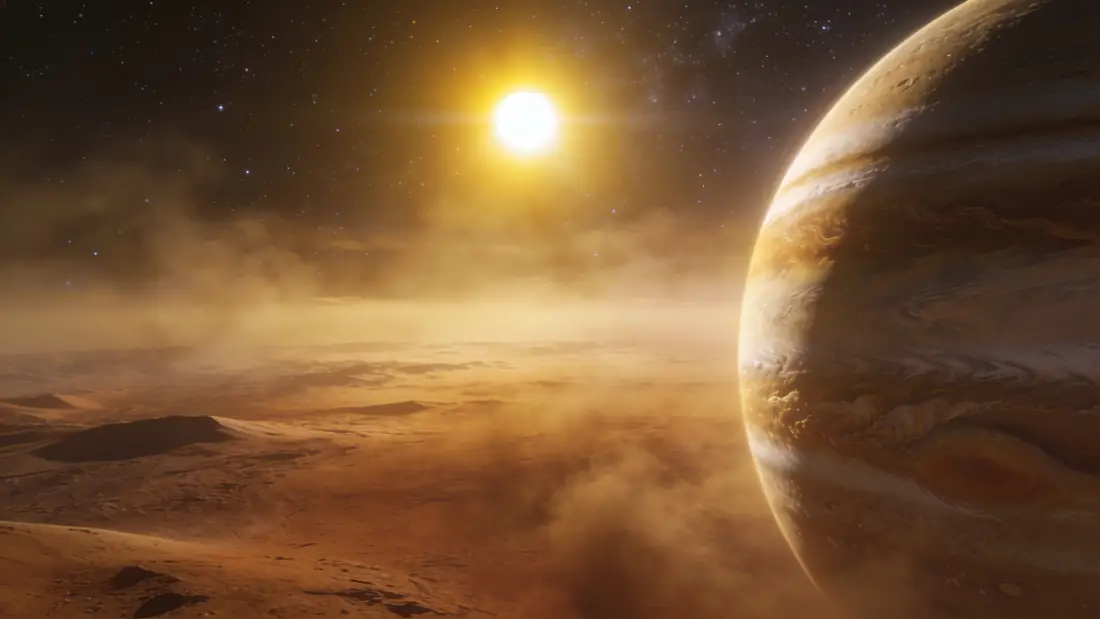
HD 109286 b is a huge planet 181 light-years away, and it sits in the zone where liquid water might be possible. Scientists found it in 2021, and while it's probably a gas giant, its moons — if it has any — could be worth watching.

KEEP READING
Inside KOI-351: A Family of 8 Planets

June 12, 2026

Inside KOI-351: A Family of 8 Planets

Far away in the Milky Way, a star called KOI-351 has eight planets orbiting around it — just like our own Sun! Scientists are studying one of those planets, KOI-351 g, to learn more about how entire families of planets are built.

KEEP READING