Could Kepler-991 b Be Friendly to Life?

Could Kepler-991 b Be Friendly to Life?

July 27, 2026

Could Kepler-991 b Be Friendly to Life?

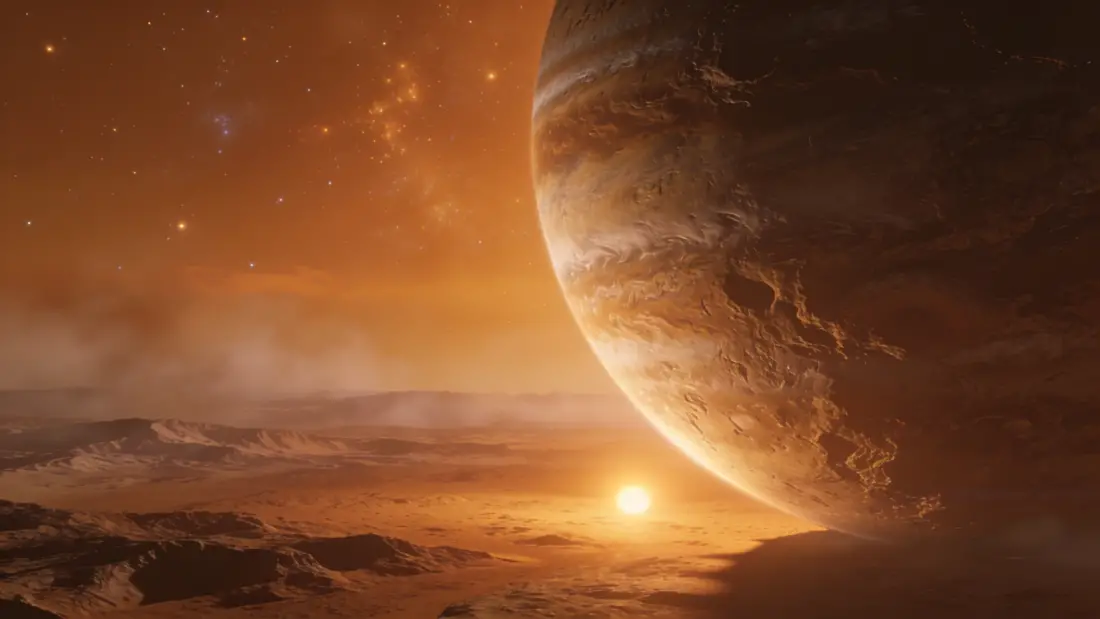
Kepler-991 b is a planet more than 1,200 light-years away that scientists discovered in 2016. It's bigger than Earth, orbits a calm orange star, and has a temperature that might not rule out life — but there's still a lot we don't know.

KEEP READING
How Long Would It Take to Reach Gl 725 A b?

July 25, 2026

How Long Would It Take to Reach Gl 725 A b?

Gl 725 A b is one of the closest exoplanets to Earth, but even at 11.5 light-years away, it would take our fastest spacecraft about 209,000 years to get there. Find out what that distance really means and what we know about this nearby world.

KEEP READING
Spotting TIC 231949697 b: The Transit Method

July 22, 2026

Spotting TIC 231949697 b: The Transit Method

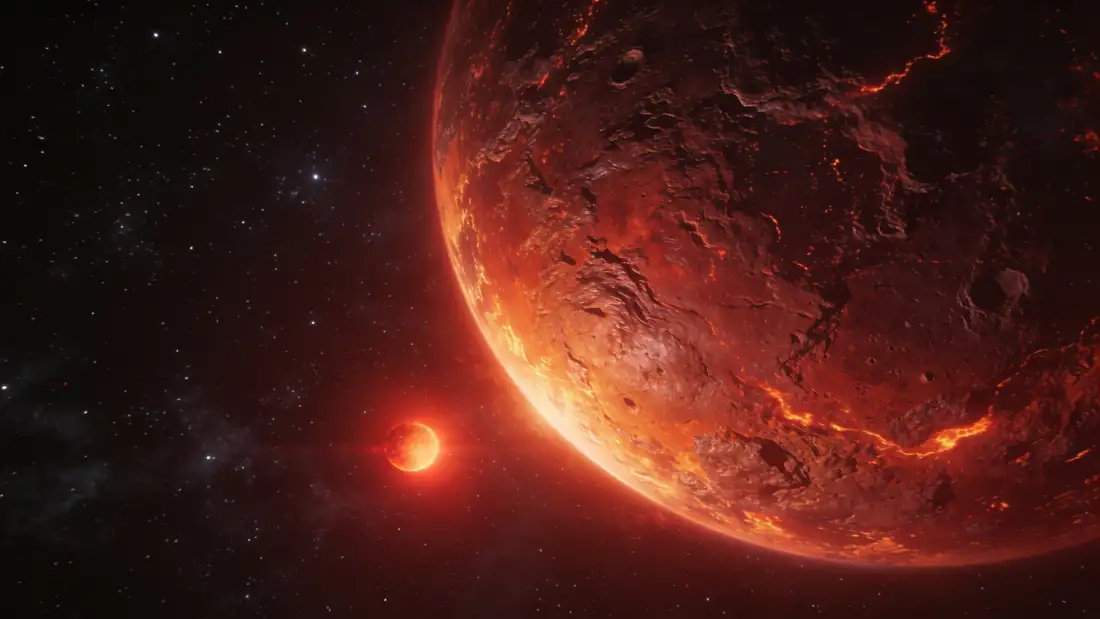
How do you find a planet you can never see? Astronomers used clever tricks with starlight to spot TIC 231949697 b, a scorching rocky world 164 light-years away. Find out how tiny dips in brightness led to one of science's coolest discoveries.

KEEP READING
TOI-2094 b: Getting to Know a Super-Earth

July 18, 2026

TOI-2094 b: Getting to Know a Super-Earth

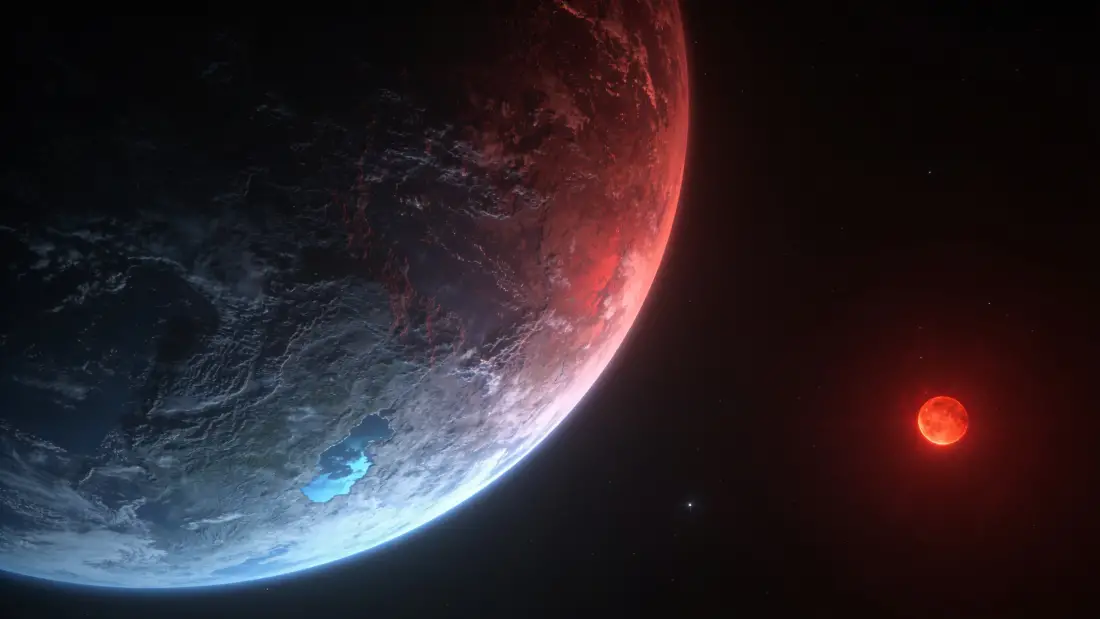
TOI-2094 b is a mysterious world almost twice the size of Earth, orbiting a dim red star 163 light-years away. Scientists aren't sure if it has a rocky core, hidden water, or even an atmosphere — and the answers could change what we know about planets like it.

KEEP READING
Say Hello to TOI-2431 b, a Super-Earth

July 14, 2026

Say Hello to TOI-2431 b, a Super-Earth

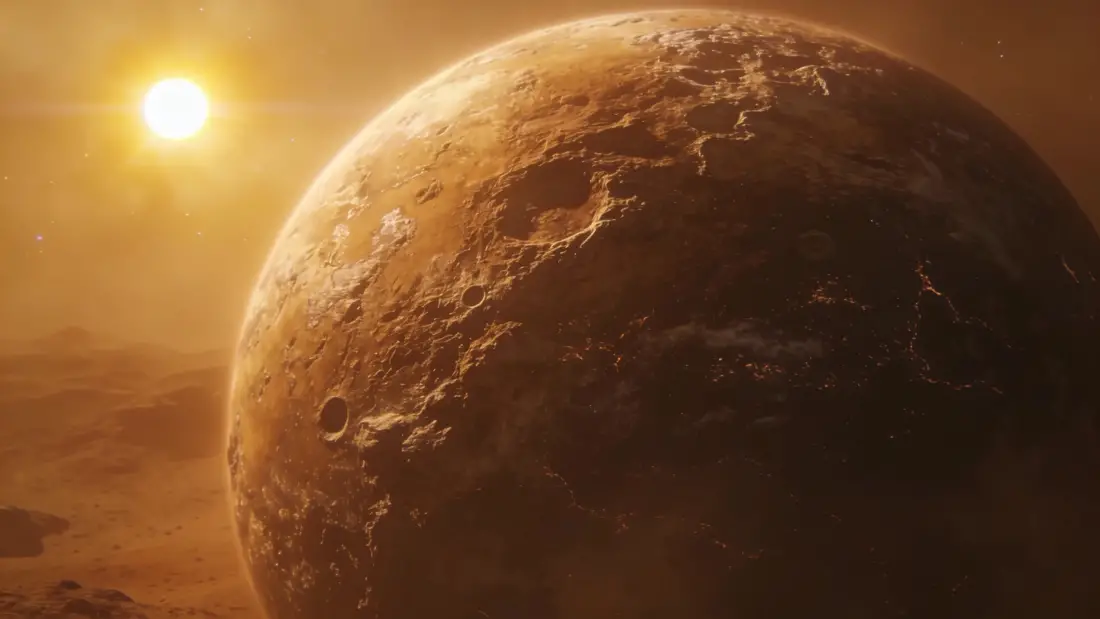
Meet TOI-2431 b, a rocky super-Earth located 118 light-years away where a single year lasts just five hours! This scorching world is so close to its star that some rocks might turn to vapor — and scientists are still working to unlock its secrets.

KEEP READING
GJ 887 b: A World 10.7 Light-Years From Earth

July 13, 2026

GJ 887 b: A World 10.7 Light-Years From Earth

GJ 887 b is one of the closest exoplanets to Earth, sitting just 10.7 light-years away — but even that short distance means a trip there would take over 100,000 years! Find out what scientists have learned about this mysterious super-Earth and its quiet red dwarf star.

KEEP READING
Spotting LHS 1903 d: The Transit Method

July 10, 2026

Spotting LHS 1903 d: The Transit Method

In 2026, scientists discovered a new planet called LHS 1903 d, orbiting a dim red star 116 light-years away. Find out how astronomers used tiny dips in starlight to spot this distant world — and what those dips reveal about the planet's size and orbit.

KEEP READING
Meet LHS 1903 b: A Newly Found Super-Earth

July 8, 2026

Meet LHS 1903 b: A Newly Found Super-Earth

LHS 1903 b is a scorching super-Earth discovered in 2026, orbiting a dim red star 116 light-years away — and it has three planetary neighbors! Find out what makes this fast-moving rocky world so fascinating to scientists.

KEEP READING
GJ 887 c: A World 10.7 Light-Years From Earth

July 7, 2026

GJ 887 c: A World 10.7 Light-Years From Earth

GJ 887 c is one of the closest exoplanets to Earth, sitting just 10.7 light-years away and orbiting a calm, dim red dwarf star. Scientists are still figuring out what this warm, super-Earth-sized world is really like — and whether it could ever support life.

KEEP READING
Kepler-967 c: A World Where Water Might Be Possible

July 3, 2026

Kepler-967 c: A World Where Water Might Be Possible

Kepler-967 c is a planet nearly 1,854 light-years away that sits in the zone where liquid water might exist on its surface. It's bigger than Earth, orbits a star similar to our Sun, and scientists are still working to unlock its many mysteries.

KEEP READING