Big questions about space, answered in plain words
These guides explain how we find planets around other stars, what those faraway worlds are made of, and which ones might be a little like home — no science degree required. Each one is short and friendly, and comes paired with a hands-on tool so you can explore the real data yourself. Start anywhere — and remember the rule we keep coming back to: space is stranger, bigger, and more wonderful than the headlines let on.
Don’t just read about space – explore it
Extremetica isn’t only articles. It’s full of hands-on tools built on real NASA data. Pick a planet, build a star system, or see how far away the stars really are.
October 26, 2026
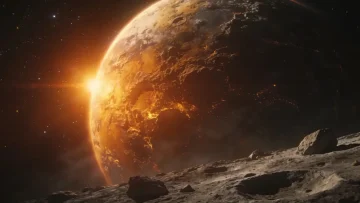
Spotting TIC 18942729 b: The Transit Method
In 2026, astronomers discovered TIC 18942729 b, a planet 376 light-years away that completes one full orbit around its star in just one Earth day! Find out how scientists spotted it without ever leaving home — using tiny dips in starlight.
KEEP READING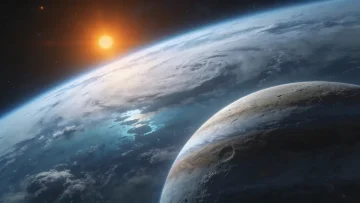
October 25, 2026
Could Kepler-1661 b Be Friendly to Life?
Astronomers found a world called Kepler-1661 b that might sit in the zone where liquid water could exist — but it’s also much bigger than Earth and very cold. Could it still be friendly to life? The answer might surprise you.
KEEP READING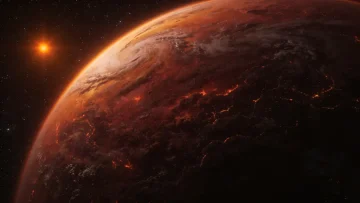
October 24, 2026
TOI-929 b: A New World Around TOI-929
Meet TOI-929 b, a scorching hot world 373 light-years away that completes an entire year in less than six Earth days! Scientists are still piecing together what this strange planet is made of, and its story is full of surprises.
KEEP READING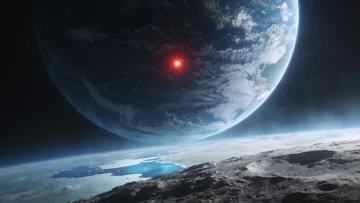
October 23, 2026
Teegarden’s Star c: A World 12.5 Light-Years From Earth
Teegarden’s Star c is a planet almost exactly the same size as Earth, but it orbits just 12.5 light-years away around a tiny, dim red dwarf star. Could this chilly, mysterious world be hiding secrets? Let’s find out what scientists have discovered so far!
KEEP READING
October 22, 2026
TIC 390586021 b: Getting to Know a Mini-Neptune
TIC 390586021 b is a mini-Neptune — a type of planet bigger than Earth but smaller than Neptune — and it zips around its star in less than three days! Scientists are piecing together clues about what this faraway world is made of, and the answers are surprisingly tricky.
KEEP READING
October 21, 2026
HD 23472: A Family of Worlds Around One Star
About 127 light-years away, a cool orange star called HD 23472 has at least five planets circling close around it. One of them is a super-hot, super-dense world that helps scientists figure out how rocky planets form across the galaxy.
KEEP READING