Meet GJ 1137 c: A Mini-Neptune Around a Orange Star

Meet GJ 1137 c: A Mini-Neptune Around a Orange Star

June 24, 2026

Meet GJ 1137 c: A Mini-Neptune Around a Orange Star

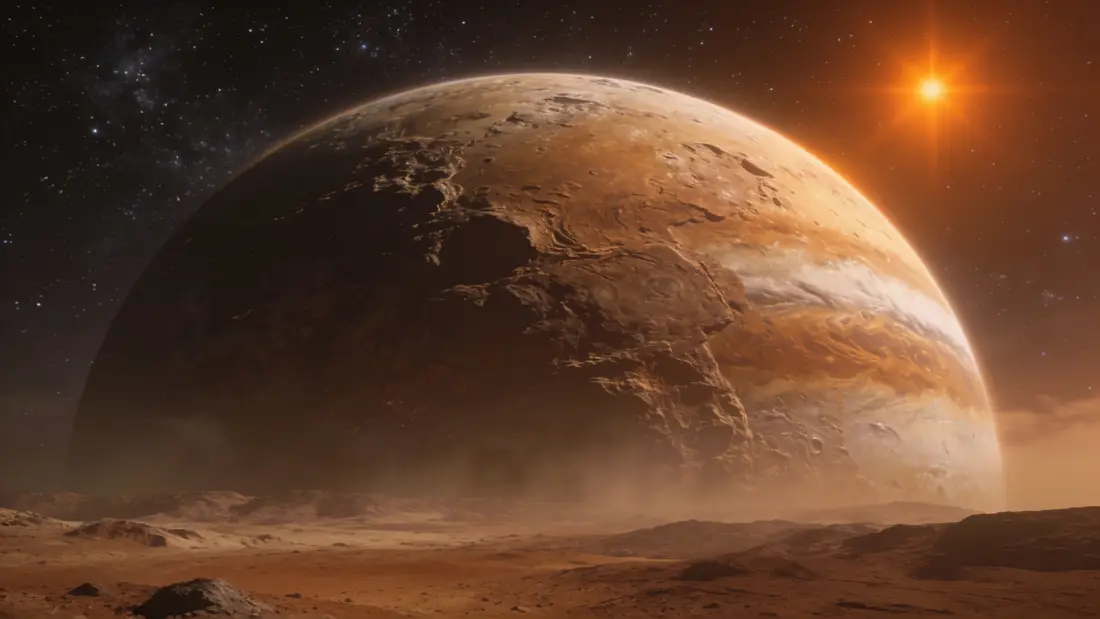
Meet GJ 1137 c, a planet twice the size of Earth that races around an orange star in less than ten days! It belongs to a type of world called a mini-Neptune — and there is nothing like it in our own solar system.

KEEP READING
Meet HD 176986 d: A Mini-Neptune Around a Orange Star

June 21, 2026

Meet HD 176986 d: A Mini-Neptune Around a Orange Star

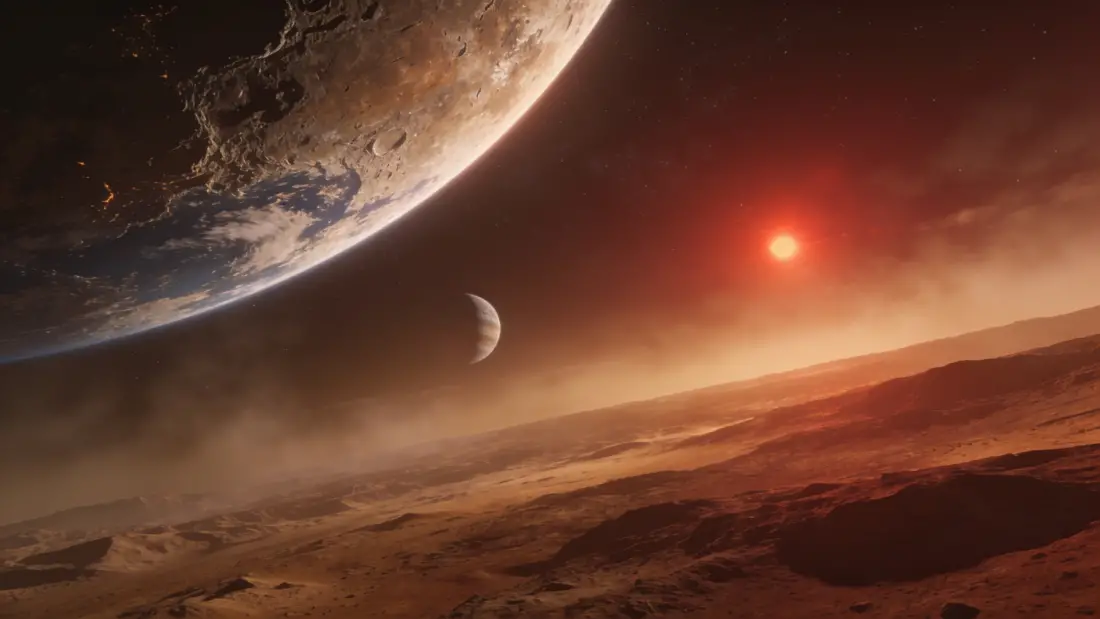
Meet HD 176986 d, a mini-Neptune planet almost two and a half times wider than Earth, orbiting an orange star 90.6 light-years away. Scientists are piecing together what this mysterious world is made of — and the answer could help explain planets all across our galaxy.

KEEP READING
TOI-4336 A c: Getting to Know a Super-Earth

June 17, 2026

TOI-4336 A c: Getting to Know a Super-Earth

TOI-4336 A c is a super-Earth spotted 73.5 light-years away, where a year lasts just 7.59 days! Scientists are still piecing together what this world is made of — and the answers might surprise you.

KEEP READING
Meet TOI-5789 d: A Super-Earth Around a Orange Star

June 13, 2026

Meet TOI-5789 d: A Super-Earth Around a Orange Star

TOI-5789 d is a super-Earth almost twice as wide as our planet, orbiting an orange star just 66.7 light-years away. Scientists are piecing together what this hot, rocky-ish world is made of — and the answer might surprise you.

KEEP READING
Meet GJ 887 d: A Mini-Neptune Around a Small Red Star

June 11, 2026

Meet GJ 887 d: A Mini-Neptune Around a Small Red Star

Only 10.7 light-years away, a small red star called GJ 887 has a planet our solar system doesn't — a mini-Neptune! Find out how scientists discovered GJ 887 d, what it might look like inside, and why this chilly world helps us understand planets across the universe.

KEEP READING
what are planets made of

June 8, 2026

What Are Planets Made Of?

Measure a planet's size and weight, and you can guess what it's made of — rock, water, or gas. Here's the simple trick scientists use.

KEEP READING